
Bunions 101: Everything to know about this common foot deformity
September 9, 2026Categories: Blog Posts
Tags: Orthopedics
As a person ages, they may experience some not-so-pleasant changes in their body, such as thinner skin, weaker muscles and even altered bone structure—especially in the feet.
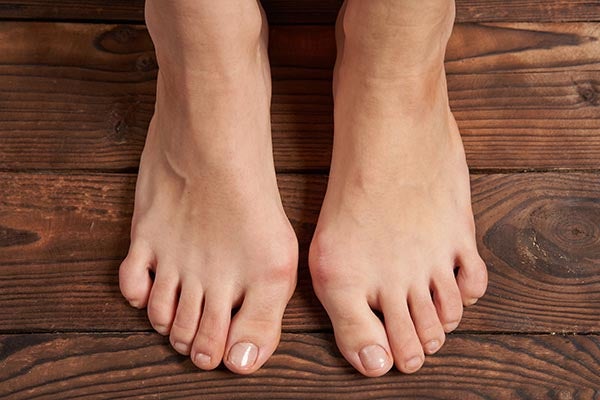 Approximately 1 in 3 adults over the age of 65 live with bunions, a type of foot deformity where the bones shift out of position, resulting in a bump as the big toe starts leaning in toward the others. This can cause difficulty walking, inflammation and, in some cases, pain.
To help those with bunions better understand this common condition, Eric Gokcen, MD, an orthopedic surgeon with Trinity Health Mid-Atlantic Medical Group’s Orthopedics Langhorne, explains misconceptions around what causes it, how to manage discomfort and when surgery might be an option.
Why do bunions form?
Many believe that wearing ill-fitting or tight shoes is the main cause of bunions. While this can amplify symptoms and pain, blame shouldn’t be placed on a favorite pair of heels or sneakers.
“It’s genetic,” says Dr. Gokcen. “Oftentimes, a person with bunions will state that their mother and/or grandmother also got them. A bunion isn’t a new bone—it’s actually a normal bone that just shifts out of position, and we don’t know why that happens.”
Due to their genetic nature, there’s no way to avoid bunions if they’re in your DNA. However, there are ways to make them less burdensome in your daily life.
How do I manage painful bunions?
Bunions themselves typically only cause mild symptoms or none at all. Pain arrives when the prominent bone rubs against the inside of a shoe. According to Dr. Gokcen, the only natural way to decrease or eliminate pain is to wear shoes that have a wider toe box.
“People have tried therapy, splints, all sorts of different things. None of that works. The bunion is going to do what it wants to do,” he says.
Dr. Gokcen recommends visiting a shoe store to have your foot properly measured. Many bunion patients underestimate how wide a shoe they require to avoid pressure on the bone.
“When you stand, your foot spreads out. I’ll have patients stand on a piece of paper and I’ll trace the outline of their foot. Then I’ll take their shoe and put it over top of the tracing, which will show that their foot wants to be about an inch wider than the shoes they’re wearing,” he says. “No wonder their foot hurts so bad.”
Do I need bunion surgery?
If a patient tries wider shoes and still experiences pain from bunions, they are eligible to undergo surgery. Minimally invasive and done through tiny incisions, bunion surgery is only used as a last resort when there’s chronic pain—not as a cosmetic procedure.
“Newer versions have come out over the last 10 years that have revolutionized the way we do bunion surgery,” says Dr. Gokcen. “You have much less pain after the surgery and everything heals much faster.”
At Orthopedics Langhorne, thanks to the surgeons’ advanced techniques, patients can get back to their lives and enjoy pain-free movement quicker than ever before. Directly after surgery, they can bear weight on their foot. By six weeks, they’re usually healed enough to wear sneakers and walk around. And by three months, they should be able to run, jump and wear whatever style of shoes they’d like.
While recurrence can happen, especially since the genetic cause of bunions is still being studied, it’s extremely rare that the bunion becomes painful again to the point of needing a second surgery.
“If you have pain and you’re not sure if it’s something that requires surgery, come see me and I can explain more detailed specifics to see what the best option for you is,” says Dr. Gokcen.