
Cervical cancer: Why routine screening matters
January 30, 2026Categories: Blog Posts
Tags: Cancer Care, Cervical Cancer
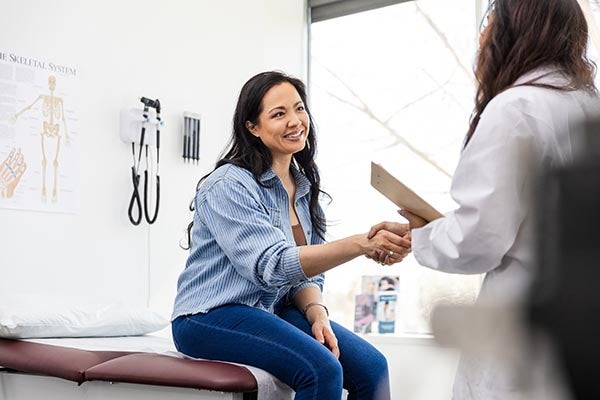 When it comes to cervical cancer, early detection can completely change the outcome—often before symptoms ever appear. That’s why health care providers are reminding women about the importance of routine screening, which can truly be lifesaving.
“Cervical cancer is almost entirely caused by the human papilloma virus, or HPV. It’s slow growing,” says Brittany Woltemate-Hall, CRNP, a women’s health nurse practitioner at Saint Francis Ob/Gyn Center. “Screening makes it one of the few cancers where primary prevention through [HPV] vaccination and secondary prevention through early detection offers protection and reduces mortality.”
For women who are 21-29 years old, routine screening involves a Pap smear—which detects precancer, or abnormal cell changes—every three years. Starting at age 30, screening includes a Pap smear and HPV test—which identifies the high-risk virus that can cause those changes—every five years. According to Woltemate-Hall, HPV is often detected through this test prior to the cells changing, allowing the patient to undergo treatment before it becomes cancer.
There’s a common misconception that older individuals cannot have HPV and, therefore, screening isn’t needed later in life. However, explains Woltemate-Hall, HPV testing becomes more important with age.
“HPV is a sexually transmitted infection and most people who have it don’t even know,” she says. “HPV can lay dormant in the body and resurface years later if you’re under stress or you become immunocompromised. Most people get concerned that there has been unfaithfulness, but they could have been exposed years ago and it’s just popping up now. This is why we recommend screening all the way up through 65.”
While those in the early stages of cervical cancer may experience some abnormal bleeding or discharge, this is rare. Most people don’t have any symptoms early on, which is why routine screening is so vital.
When a Pap smear or HPV test comes back abnormal, the next step is a colposcopy—an in-office exam that allows a closer look at the cervix, highlighting any areas that need to be biopsied. A biopsy can then determine if it is inflammation, precancer or cancer.
“If it’s precancer, they’ll usually do a procedure in the operating room where they can remove that abnormal tissue without having to remove the entire uterus,” says Woltemate-Hall. “If it is cancer, we would skip this procedure and send them to a gynecology oncologist.”
Learn More
Learn more about cancer care at our hospitals:
Recently, “Jersey Shore” star Nicole “Snooki” Polizzi opened up on social media about undergoing a colposcopy and biopsy after a Pap smear revealed precancerous cells on the top of her cervix. At the time of this writing, she was set to undergo a second biopsy and possible hysterectomy if the results were abnormal. Polizzi—who admitted to putting off her routine screening because she was nervous—hopes her story inspires other women to not delay such a critical appointment.
“Just making this video to spread awareness to make sure you get your Pap smears. And if your doctor calls you to do it again, do it,” she says in a TikTok video. “Make sure you’re fine and prevent all the bad things that could happen, like cervical cancer.”
For patients like Polizzi who are fearful or hesitant about their routine screening, Woltemate-Hall says that, at Saint Francis Ob/Gyn Center, everyone who walks through the door can expect compassion and empathy.
“I try to put myself in the patient’s shoes and I always ask for consent. I make sure that they’re in the driver’s seat of their appointment. I always let them know, if at any time it’s uncomfortable, they can tell me to stop and we’ll try it another time,” she says.
Woltemate-Hall doesn’t want women to fear a diagnosis. Routine screening coupled with the HPV vaccine—which helps to protect against nine different HPV types that can cause cervical cancer or genital warts—makes cervical cancer one of the most preventable and treatable cancers out there.