
A winter warning: Snow shoveling can stress your heart more than you think
December 11, 2025Categories: Blog Posts
Tags: Heart Health
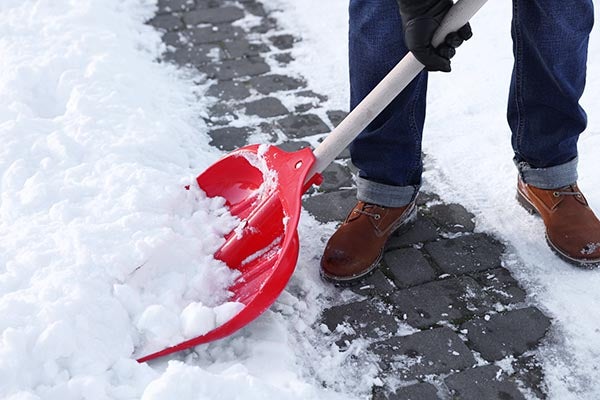 As picturesque as a glistening, white blanket of snow can be, clearing it from your property can be both a nuisance and major health risk. While many see the act of snow shoveling as a simple winter chore, it can have detrimental effects on the heart for certain patient populations.
“Snow shoveling is a pretty intense isometric exercise,” says Abhishek Dutta, MD, a cardiologist at Trinity Health Mid-Atlantic Medical Group’s Cardiology Holme and Cardiology Langhorne. “And the cold weather itself causes a lot of blood vessel constriction. Putting everything together, it is a highly demanding exercise, especially on the heart. The same activity in warmer weather may not be as much of a load on the heart as it is in freezing conditions. Because of the elements of nature, the heart has to work extra hard.”
Elderly folks, smokers, those with underlying conditions like diabetes and uncontrolled high blood pressure, and those who already experience slight chest pain or stable angina are at risk of heart attack while shoveling snow. Dr. Dutta recommends that these individuals call on outside help to have their property cleared.
“The cold weather itself causes a lot of blood vessel constriction. Putting everything together, it is a highly demanding exercise, especially on the heart.” – Abhishek Dutta, MD
“Some people in their 70s and 80s are active and walking every day, so they may be able to shovel with no issues. But patients who are not used to it, who also have uncontrolled high blood pressure and other risk factors, including recent coronary disease and having symptoms of chest pain or discomfort at rest or minimal exertion, those patients should avoid doing such a strenuous activity,” says Dr. Dutta.
However, outside help isn’t always readily available. When a high-risk individual opts to shovel their own snow, precautions should be taken to minimize strain on the heart. Use a lighter shovel, move snow in small amounts at a time and take breaks every few minutes. It’s also important to wear warm layers to reduce exposure to the extreme cold and significant blood vessel constriction, hydrate and refrain from heavy meals right before shoveling.
“Patients who are not used to it, who also have uncontrolled high blood pressure and other risk factors, including recent coronary disease and having symptoms of chest pain or discomfort at rest or minimal exertion, those patients should avoid doing such a strenuous activity” – Dr. Dutta
When shoveling snow, if someone begins to experience chest pain, palpitations and/or discomfort when breathing, they should stop immediately. If the symptoms don’t resolve within five minutes, they should call 9-1-1 and take an aspirin while waiting for help to arrive. In fact, a shoveling-induced scare is often the first indication that something bigger is going on in the body.
“This is how a lot of patients actually find out that they have a heart problem because it’s such an intense activity,” says Dr. Dutta. “We get patients who haven’t seen a doctor, then they shovel snow and start getting their first chest pain. So, for those who do not know about their heart condition at all and they start having discomfort when they shovel snow, this is an indication to see the doctor.”
With icy temperatures and the threat of snow officially upon us, Dr. Dutta urges the community—especially older individuals—to stay safe. Not only does shoveling snow have the capacity to cause heart attack, there’s also the risk of a fall, which can result in a fractured hip or femur.
“It’s better to have somebody help you as much as possible,” says Dr. Dutta.