
84-year-old from Levittown reclaims independence with TriClip procedure at St. Mary
March 2, 2026Categories: Blog Posts
Tags: Heart Health
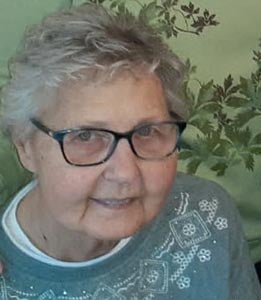 Rita Sauers, 84, of Levittown, always took pride in her independence. From solo trips to the grocery store—and whipping up a delicious stir fry once home—to handling her bills, laundry and other chores, she did it all. However, toward the end of 2023, she felt that independence slipping away. After walking only a few steps, Sauers felt fatigued and struggled to catch her breath, and soon found herself reliant on others.
“I lost the whole year without knowing what was wrong with me. I developed fears. I was afraid to go out. I was afraid to drive. I was afraid to go to the grocery store. It was horrible,” says Sauers. “I had nothing physical showing, but it did a number on me. Sometimes, I’d be lying in bed and have to sit up real fast because I thought I wasn’t able to breathe. I’d have to relax myself again.”
It wasn’t until Sauers met with Hitesh Raheja, MD, an interventional cardiologist with Cardiology Langhorne and director of the Structural Heart Program at St. Mary Medical Center, that she finally got answers. While past echocardiograms showed a mildly leaking valve, which is common among older adults, the test performed by Dr. Raheja showed that the leak was “torrential.” All of Sauers’ symptoms suddenly made sense.
Instead of open-heart surgery, which is risky for older patients, Sauers was a perfect candidate for the minimally invasive TriClip procedure, which she underwent in October 2025. Using the Abbott TriClip system, this procedure is used to treat Tricuspid Regurgitation—a condition where the tricuspid valve leaks and allows blood to flow backward.
“This therapy involves guiding a clip through a vein in the leg, delivering it to the heart and using it to clip the leaky tricuspid valve leaflets together to improve its seal, reduce symptoms and enhance quality of life,” says Dr. Raheja. “Most elderly patients don’t do well or are not good candidates for open-heart surgery for tricuspid valve, and there were no options for these patients in the past. But now, due to the availability of these procedures, patients can live healthy and symptom-free lives.”
Currently, St. Mary is the first and only hospital in Bucks County offering the TriClip procedure to patients.
Sauers only needed to stay at the hospital for one night. Once home, she didn’t even feel any pain. Over the next month or so, with guidance from the cardio rehabilitation team at St. Mary, she worked on getting her strength back. By December, she noticed a massive difference in her overall wellbeing. Not only was the shortness of breath gone, but so was the anxiety that she felt for an entire year.
“I woke up one day and just felt different. My head cleared up. It was like I had been living with brain fog. I just knew it was working,” says Sauers. “Dr. Raheja did a wonderful job. He’s got the most wonderful bedside manners and he’s fun to joke around with. He really got to the bottom of what was wrong with me.”
A little over four months post-TriClip procedure, Sauers has reclaimed her sense of independence. She’s able to once again drive herself to the grocery store without the assistance of a loved one or walker, stand up to cook homemade meals daily and complete household chores, like laundry and cleaning.
“There’s nothing to be afraid of. Just do what you have to do. It works wonderfully and you don’t have to have open-heart surgery. And I knew it would be alright because Dr. Raheja was doing it. I had so much faith in him. I put my whole trust in him.” – Rita Sauers
“I hated to depend on people to take me here, take me there. I’m not driving on the Turnpike or anything. I’m just going local. But I feel comfortable doing that, going in the store, getting in my own car. And I just get enough that I know I can carry. I’d rather go three times a week than once a week—then it gets me out of the house!” says Sauers.
For anyone else who may be a candidate for the TriClip procedure, Sauers shares some words of advice: “There’s nothing to be afraid of. Just do what you have to do. It works wonderfully and you don’t have to have open-heart surgery. And I knew it would be alright because Dr. Raheja was doing it. I had so much faith in him. I put my whole trust in him.”