
This series spotlights Trinity Health Mid-Atlantic colleagues who are participating in the American Heart Association’s Philadelphia Heart Walk on Oct. 24.
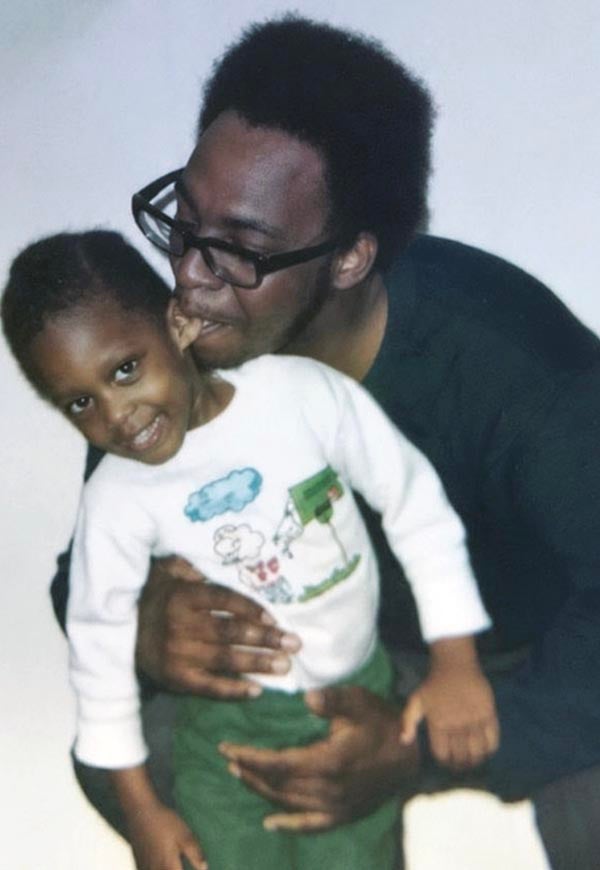 New Year’s Eve was never a big deal for Le-Ann Harris, Interim President of Mercy Fitzgerald Hospital and Saint Francis Hospital, and Regional Chief Nursing Officer of Trinity Health Mid-Atlantic. However, there was one special tradition that she thoroughly enjoyed—a call from her dad, Johnnie Louis Butler Sr., who would always ring his children, siblings and other family members to send holiday well wishes.
When Harris’ phone showed an incoming call from “Pops” on Dec. 31, 2009, she had no reason to believe it was anything but Butler making his annual NYE rounds. Yet it was her stepmother’s concerned voice on the other end. Harris was told that her dad had fallen and paramedics were on the way. Confused, she raced to his house, where she learned that he was in PEA, or Pulseless Electrical Activity—a life-threatening form of cardiac arrest that leaves a person unresponsive and without a palpable pulse.
“I rode with him in the ambulance and I was right in the room at the hospital. I watched the physicians work. I’ll never forget it. It was a surreal experience to be on the other side of the bed as a family member, as someone who’s not part of the care team that’s trying to revive and resuscitate him, and give him every fighting chance to get his heart in a rhythm that’s survivable,” says Harris.
That day, Harris lost her “Pops.” Her best friend. A high-energy, gregarious personality. A lineman who provided for his family. A sports enthusiast. A dedicated politician. A helpful hand for whomever needed it.
“I want people to have a better outcome than we did. I look at this as an opportunity to help. To share my story. To have a voice. To participate. To walk. To be part of a team. It’s important to me. That’s why I walk—because he was so important to me.” – Le-Ann Harris
And her inspiration for championing the American Heart Association’s Heart Walk and all that it stands for. Each year, loved ones and survivors unite to raise funds for research, CPR training, education on healthy habits and more to help reduce heart disease and save lives.
“I want people to have a better outcome than we did,” says Harris. “I look at this as an opportunity to help. To share my story. To have a voice. To participate. To walk. To be part of a team. It’s important to me. That’s why I walk—because he was so important to me.”
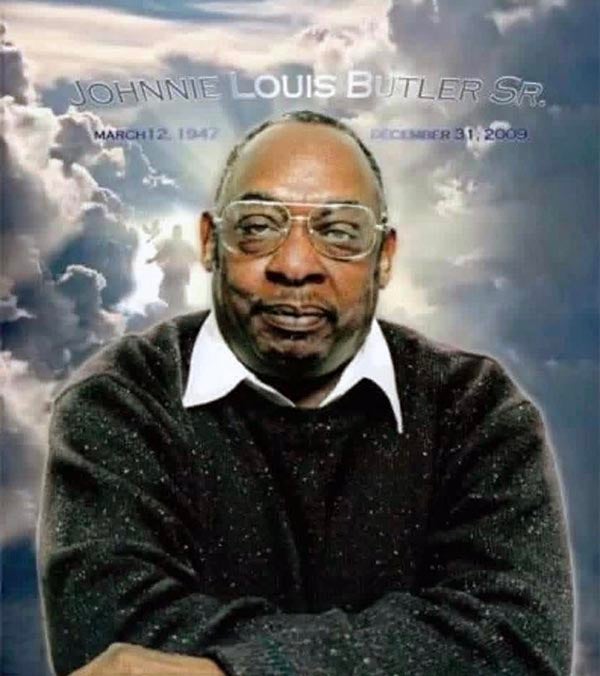 Butler was only 62 years old when he passed away. Looking back, Harris believes there were warning signs. However, he chalked his symptoms up to indigestion, with antacids and Pepto Bismol on hand to find relief.
“It was really his heart saying, ‘Hey, buddy, I need some help here’,” says Harris. “From my dad’s story, I want to stress to people one thing—listen to your body if it’s telling you something isn’t right. Seek treatment and help from a medical professional. Don’t try to fix it on your own because you might be fixing the wrong problem. I think about that sometimes. If he had called and described what he was experiencing, I may have been able to give him advice that would’ve put him in front of a physician as opposed to a bottle of Pepto Bismol.”
But Harris prefers not to dwell too much on what could’ve been done. Instead, she thanks God that she was with her dad in his final moments and is taking steps in her own life—like walking, working out and monitoring what she consumes—to ensure she stays healthy for her son.
Seventeen years later, she still remembers every moment of that fateful New Year’s Eve—the stress, sadness and loss, but also the hope for brighter days ahead. Most vividly, she recalls looking outside the hospital room and seeing staff wearing party hats and blowing noisemakers, excited to ring in 2010 and all of its possibilities.
“It kind of made me feel good,” says Harris. “I could see life beyond the room where death occurred. I could see that life would go on.”