
Sunburn, heat rash and sun poisoning: Know the differences and how to stay safe
August 17, 2026Categories: Blog Posts
The final weeks of summer are officially underway, with many soaking up as much sun as possible before the chill of fall settles in.
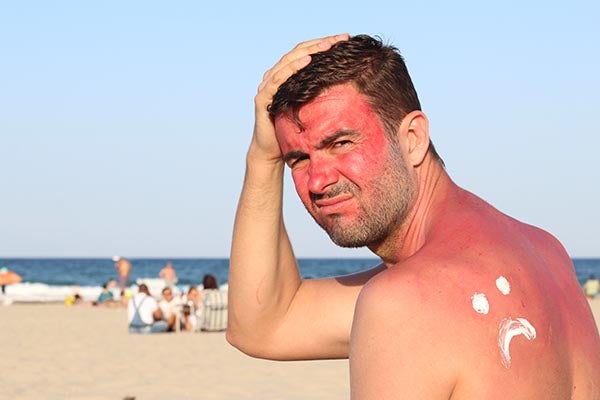 However, if proper precautions aren’t taken while enjoying warm weather fun, sunburn, heat rash and sun poisoning can result in some not-so-pleasant reactions. From reddened skin to itchy hives and even neurological confusion, too much exposure can cause a multitude of symptoms that range from mild to life-threatening.
To help the community stay safe, understand symptoms and recognize when to seek emergency medical attention, Sandra Miskiel, MD, a board-certified Internal Medicine physician at Trinity Health Mid-Atlantic Medical Group’s Primary Care Yardley, breaks down the important differences between these three conditions. Though sunburn, heat rash and sun poisoning are often used interchangeably, they each come with distinct causes, symptoms and treatment.
Sunburn
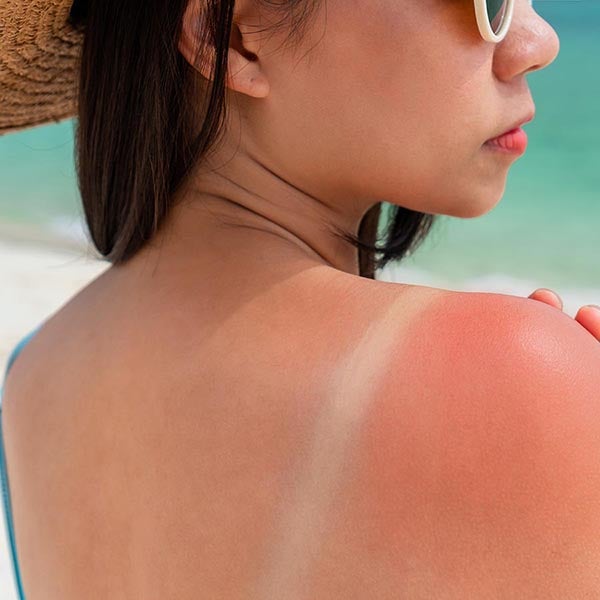
- What is it: Sunburn is an inflammatory reaction caused by excessive ultraviolet (UV) radiation. UV exposure damages DNA in skin cells and triggers inflammation, leading to the characteristic redness and discomfort.
- Symptoms: Redness on the exposed skin that usually develops 3 to 5 hours after exposure and peaks after 12 to 24 hours
- Treatment: Hydrate (your body loses a lot of water when sunburned), apply a cool compress to the impacted areas and/or try an over-the-counter anti-inflammatory (ask your doctor first)
“One of the deceptive characteristics of sunburn is that the visible redness is delayed,” says Dr. Miskiel. “The UV damage is occurring while you’re still outside, even though your skin may look and feel completely normal. That’s why people can spend hours at the beach feeling fine, only to notice significant redness and pain later that evening or the next morning. Don’t use redness as your signal to get out of the sun. Protect your skin proactively and reapply sunscreen every two hours, and immediately after swimming or heavy sweating.”
Heat rash
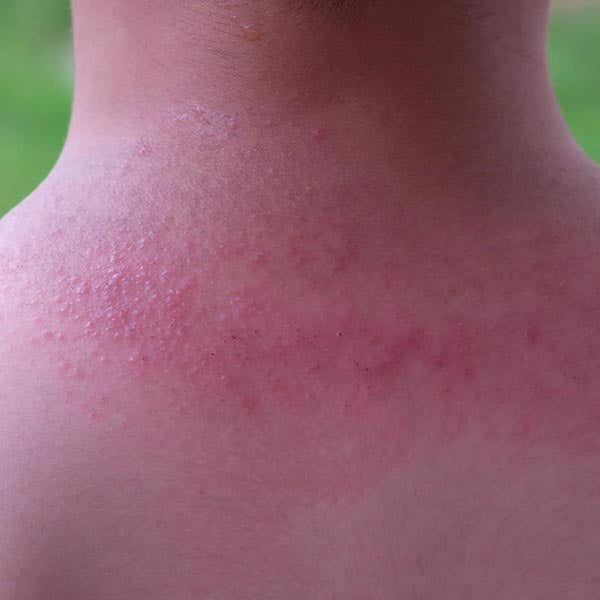
- What is it: Sweat ducts become blocked and sweat gets trapped under the skin instead of reaching the surface. The trapped sweat leaks into surrounding tissue and triggers a local inflammatory response. It is a blockage of normal sweat flow, not a reaction to UV exposure.
- Symptoms: Small, itchy red dots or blisters in areas that are prone to sweating, such as the neck, chest or groin, especially when covered in heavy clothing or occlusive lotion
- Treatment: Cool your body off and opt for more breathable, absorbent fabrics, such as linen or cotton, instead of denim, leather and polyester. Avoid topical emollients, as they may further occlude sweat ducts.
“Summer workout clothes are usually made of polyester, nylon or acrylic petroleum-based synthetics,” says Dr. Miskiel. “These fabrics lack the microscopic pores natural fibers have, resulting in sweat and heat staying trapped against the skin. Reach for linen or cotton when heading outside in the summertime.”
Sun poisoning
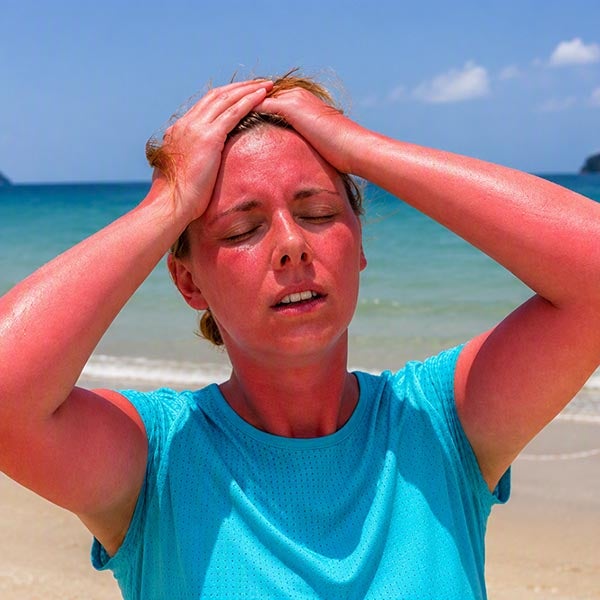
- What is it: “Sun poisoning” is a common term used to describe a severe sunburn that causes symptoms beyond the skin
- Symptoms: Severe redness or blistering accompanied by fever, headache, chills, nausea, weakness and general flu-like symptoms
- Treatment: Depends on the severity of the sun exposure. Mild cases can often be managed at home by getting out of the sun, cooling the skin with cool baths or compresses, and staying well hydrated. More severe cases, especially those involving extensive blistering, persistent vomiting, dehydration, severe pain, confusion or other neurologic symptoms, should be evaluated promptly by a medical professional and may require intravenous fluids, pain control, wound care or treatment for associated heat-related illness.
Dr. Miskiel cautions that prolonged time outdoors can also cause heat exhaustion, which is separate from sunburn, but may occur at the same time.
Severe sunburn and heat exhaustion can occur under the same circumstances—too much time outdoors without adequate sun protection, cooling or hydration,” says Dr. Miskiel. “Heat exhaustion is a warning that your body is struggling to cope with the heat. That’s the time to stop activity, get into a shaded or air-conditioned environment, begin cooling and rehydrate. If symptoms progress to confusion, altered behavior, slurred speech, seizures or loss of consciousness, that raises concern for heat stroke, which is a medical emergency.”
Summer prevention tips
Before heading to the beach, pools and parks to soak in the last of this year’s summer rays, Dr. Miskiel has a few final reminders to help protect your skin and overall wellness:
- Wear water-resistant broad-spectrum sunscreen (at least 30 SPF, preferably 50 SPF) daily, and remember that UV exposure can still occur while driving or sitting near windows
- Avoid the sun during peak UV hours, especially 10 a.m. to 4 p.m.
- Increasing water intake, staying in cool/shaded environments, light, breathable clothing and symptom monitoring are the mainstays
“Sun and heat exposure are cumulative, and prevention matters,” says Dr. Miskiel. “Consistent sunscreen use, limiting peak UV exposure and maintaining adequate hydration can significantly reduce the risk of sunburn, heat-related illness and long-term skin damage, including skin cancer.”