
Male breast cancer: Tyler Mane’s diagnosis explained
June 23, 2026Categories: Blog Posts
Tags: Breast Cancer
One in 755 men will be diagnosed with breast cancer in their lifetime.
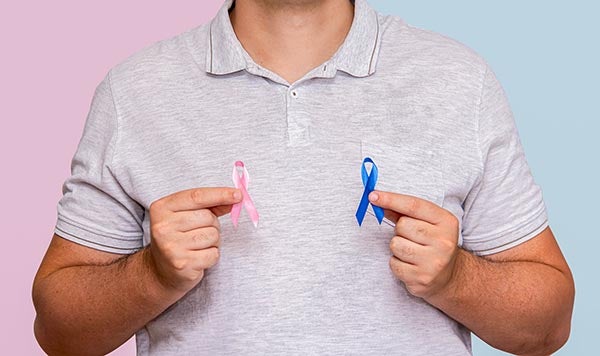 And Tyler Mane is one of them.
The 59-year-old actor—known for his portrayal of supervillain Sabretooth in X-Men and Michael Myers in Rob Zombie’s Halloween remakes—recently announced on social media that he was diagnosed with the disease. As he undergoes chemotherapy, Mane is sharing his journey to spread awareness and inspire other men to take action if something doesn’t seem right in their body.
“I’ll be honest, my first reaction was to keep it secret. I mean, it’s kind of embarrassing,” Mane admitted in an Instagram post. “But then I found out that men are more likely to be diagnosed in advanced stages because it’s not talked about and not looked for. In fact, my doctors all dismissed it, and it was only because my wife pushed me to get the lump removed that I got in early.”
According to Kristin Krupa, MD, a breast surgeon at Trinity Health Mid-Atlantic Medical Group’s Complete Breast Care Langhorne, Mane going public with his diagnosis is extremely helpful in educating the public that breast cancer is not exclusive to women.
“Of course, it is much more common in women than in men. One in eight American women will be diagnosed with breast cancer, while one in 755 men will be diagnosed. Breast cancer is 100 times less common among men and is considered rare,” says Dr. Krupa. “But what we don’t want to happen is for a man to feel something in the breast, ignore it and not be aware that it could happen to them.”
Currently, there are no breast screening guidelines for men. Therefore, it’s up to them to pay attention to their body and seek medical attention if something seems abnormal.
Symptoms to look out for include:
- Breast pain
- Nipple discharge
- A hard mass on the breast that gets bigger
While men are generally at low risk for breast cancer, certain factors can increase their chance of diagnosis:
- Obesity
- Low physical activity
- Diabetes
- Heavy alcohol use
- Radiation exposure
- Family history of breast cancer
- Genetic mutations BRCA1 and BRCA2
“Men, especially those with gene mutations, should start doing a self-breast exam and undergoing education to know what to look for starting at age 35. Those at higher risk can also consider doing a clinical breast exam every 12 months,” says Dr. Krupa. “This means they would see a breast surgeon like myself once a year.”
Currently, there are no breast screening guidelines for men. Therefore, it’s up to them to pay attention to their body and seek medical attention if something seems abnormal.
If male breast cancer is detected, the patient may have a lumpectomy (removal of only the cancerous part of the breast) or mastectomy (removal of the entire breast). When caught early, it is highly treatable and curable. That’s why speaking up can be lifesaving.
“It’s hard sometimes with the stigma that we have in society,” says Dr. Krupa. “But take ownership of your health and advocate for yourself. If you’re concerned about a breast mass, don’t avoid it because you’re embarrassed.”
As Mane embarks on his journey to being cancer free, he’s urging his nearly 70,000 followers to be vocal about the rare disease of male breast cancer. After just a few days, his post garnered thousands of likes, comments and shares—which means much-needed awareness is rapidly spreading.
“Because it’s rarely talked about, it’s usually found at later stages and has worse outcomes,” he said in the post. “I want to change that.”