
Letters from Le-Ann Harris: Remembering Your “Why”
March 2, 2026Categories: Letters from Le-Ann Harris
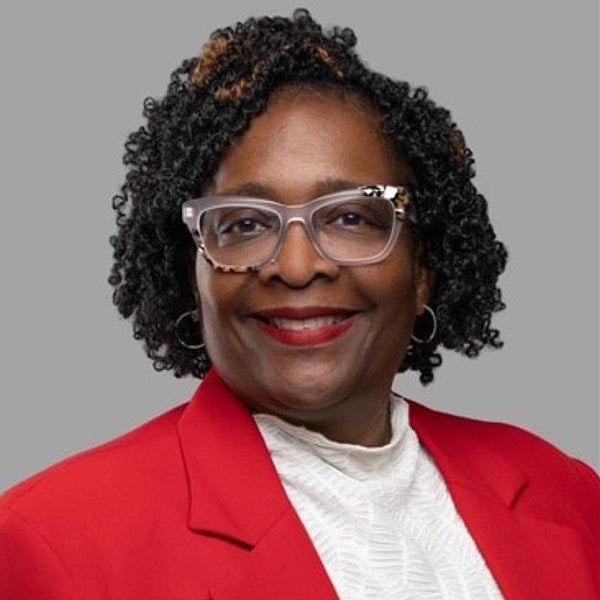
Le-Ann Harris, DNP, MHA, RN, NEA-BC, is the Regional Chief Nursing Officer for Trinity Health Mid-Atlantic and Holy Cross Health in Maryland.
 For the first nine years of my life, I was raised by my grandmother. She wasn’t a licensed nurse, but she was absolutely a caregiver. She taught me to see people—not just their circumstances, but their humanity. She modeled compassion without judgment.
That’s my “why.”
I’ve always wanted to be part of someone’s healing physically, mentally, spiritually, in whatever way I’m called to serve.
I often ask nurses to reflect on their own “why.” Whether you’ve been practicing for decades or you’re brand new to the profession, at some point you made a decision. You committed your time, energy, intellect and discipline to this work. Why?
Was it a personal experience? Someone who cared for you or your family? A desire to make a difference when people are at their most vulnerable?
When we lose sight of that “why,” we feel it. Dissatisfaction creeps in. Fatigue deepens. And eventually, it shows up in our interactions with patients, families, and even one another.
When that happens, pause. Reflect. What drew you here in the first place?
Showing up as your best self
Nursing is sacred work and it is demanding work. It stretches us mentally, physically, emotionally and spiritually. Especially for those who spend a lifetime at the bedside, the toll can be real.
That’s why your “why” matters.
When you reconnect to it, you don’t just endure the work, you approach it with intention. You show up differently. You remember that caring for people in their most fragile moments is both a responsibility and a privilege.
For me, that calling was trauma nursing. I worked in a Level 1 trauma center in the inner city, where no two days were alike. One moment it was an elderly patient with a fall. The next, a victim of violence.
What grounded me was this: I was never there to judge how someone arrived. I was there to help them heal.
That clarity kept me from burning out. I returned to my “why” again and again.
The impact on our patients
Patients know when we care. They feel it in the way we listen. The way we explain. The way we take an extra moment.
Yes, a 12-hour shift can feel overwhelming. Nurses are human. We carry our own life stressors, our own physical and emotional challenges. But when we are able—even if imperfectly—to set those aside and be fully present, it makes a profound difference.
Sometimes it’s as simple as finding one shared connection. A common hometown. A similar family story. A favorite sports team.
Patients know when we care. They feel it in the way we listen. The way we explain. The way we take an extra moment.
Those small moments create trust. They create healing environments. They’re the reason patients write letters, nominate nurses for a DAISY Award, or stop by later just to say thank you.
And when we miss that connection, they feel that too.
Here to help
If you’re struggling to reconnect to your “why,” you don’t have to navigate that alone. Mentorship is one of the greatest joys of my career. Whether you’re exploring bedside longevity, advanced education, leadership or something entirely new, I’m always open to that conversation.
Every day won’t be easy. Some days will stretch you more than others.
But tomorrow will come.
The question is—how will you show up?
In His Service,
Le-Ann Harris, Regional Chief Nursing Officer