
Back-to-school season is an exciting time filled with new friends, new supplies and new lessons to learn.
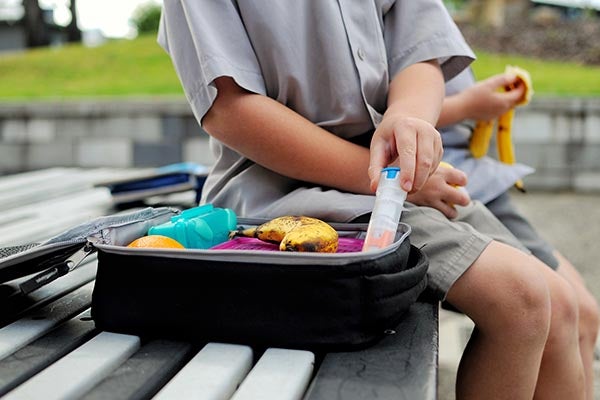 But for children who have food allergies, returning to the classroom can also come with fear: What if I accidentally eat something I’m not supposed to? What if I need that scary EpiPen?
To help alleviate such fears and allow children and their parents to feel as prepared as possible, Julio Vializ, MD, medical director of pediatric emergency medicine at St. Mary Medical Center, explains important steps to take at the start of the school year, how to stay safe in allergen-heavy environments and subtle signs of an allergic reaction that should never be ignored.
Pre-classroom planning
According to Dr. Vializ, allergy safety begins before a child returns to school. During their well-child visit, he recommends getting a prescription for two new epinephrine pens—a fast-acting medical device used to treat a severe, life-threatening allergic reaction. Though these devices typically last 12 to 18 months, being left in a hot car or damaged in a bag can impact their ability to work properly. It’s best to err on the side of caution with fresh pens—one to be securely stored in the nurse’s office, one to always be on the child’s person.
Before the start of school, it’s also important for parents to teach their kids to advocate for themselves. If they ate something bad and are feeling symptoms, make sure they know to inform a teacher or another trusted adult, such as the principal, cafeteria worker, nurse or coach.
“At 5 years of age, if there’s already a documented allergy issue, the child should be able to advocate for themselves to the teacher or paraeducator and say, ‘I don’t feel good. I ate something. My tongue and lips feel funny. I can’t breathe’,” says Dr. Vializ. “At that age, the child can realize something not good is happening.”
Staying safe in allergen-heavy spaces
The cafeteria and athletic fields are the main hot spots for accidental allergen consumption. Humans naturally crave a sense of camaraderie, which can come in the form of sharing food. Whether it’s trading snacks at lunch or tossing a protein bar to a teammate, kids often munch before thoroughly investigating the item. Even though the packaging has “nut free” emblazoned on the front, it can still have traces of the allergen and cause a serious reaction.
“We all want to be social animals and sharing food is part of that. You want to make friends. But sometimes you make a mistake by assuming, ‘I’m sure I’ll be fine’,” says Dr. Vializ.
Preventing allergic reactions in schools is a community effort, especially when outside treats are brought in for holiday and birthday celebrations. Even if your child doesn’t have food allergies, it’s important to be aware of ingredients so that all can enjoy and no one gets harmed.
Parents and children should also be cognizant of the eight food groups that account for the most serious allergic reactions in the United States: milk, eggs, fish, crustacean shellfish, soy, peanuts, tree nuts and wheat, which can show up in unlikely places. For example, Play-Doh contains wheat flour, which can trigger a reaction in kids who are hypersensitive to that allergen.
Recognizing symptoms
Even with proper planning and education, prevention is never perfect. Therefore, children and the adults around them must familiarize themselves with the symptoms of an allergic reaction.
Subtle signs may include:
- A funny taste in the mouth
- Tingling lips and/or tongue
- Difficulty swallowing
- Difficulty with speech
- Shortness of breath
- Wheezing and coughing
- Chest discomfort
More obvious signs include:
- Red or pink face and skin
- Vomiting
- Swollen eyes
- Scratching
- Sudden lack of energy
“If there’s any breathing, swallowing or speech difficulties, or if the child is vomiting, then the EpiPen should be used immediately. It’s a stabilizing medication that should absolutely be used if there’s any evidence of anaphylaxis. If given in the first few minutes, we see an amazing turnaround in the child within 10 minutes,” says Dr. Vializ.
In addition to stabilizing with epinephrine, he recommends the following steps:
- Call 911 immediately, especially if the child’s parents are not on site
- Bring the child to a cool, empty area until EMS arrives
- The principal and school nurse should be the only ones controlling the situation, so as not to overwhelm or crowd the child
- The principal or teacher should go in the ambulance and stay with the child until family arrives
Bringing light to a scary situation
It’s recommended that individuals who receive epinephrine stay in the emergency department for approximately four hours afterward. During this time, they’ll receive some combination of steroids, fluids and an antihistamine like Benadryl, and are monitored to ensure no change in health status occurs.
Most young allergy patients are understandably scared while in the ED, especially if they’re brought in directly from school and their parents are on the way. To help ease their nerves, Dr. Vializ’s team of nurses and techs goes above and beyond to bring them some comfort. Whether they’re complimenting the child’s backpack trinkets, taking them to pick out an Iron Man Band-Aid to put over the EpiPen injection site or finding them the perfect plushie to cuddle, the team’s efforts go far beyond administering medications.
“They laugh with the kids and calm them down. They adjust the bed so that they can see Bluey on TV. They figure out what channel they might want during the FIFA games,” says Dr. Vializ. “All of that helps distract from the fear that something will continue going badly during this allergic reaction.”
An important final reminder
With the start of the new school year—and potential allergen exposures—upon us, Dr. Vializ urges parents to ensure those responsible for their children until 3 p.m. are aware of any allergies. In the case of a reaction, this can save precious minutes in treating them.
“Go to the introductions of your child to the classroom. Solidify your concerns with the teacher and school nurse,” he says. “Because if they truly recognize which child may have a problem, they’re going to be more acutely aware early as opposed to potentially missing something.”