
Dive into fitness: Why pool workouts are one of summer’s best exercises
July 10, 2026Categories: Blog Posts
Tags: Orthopedics
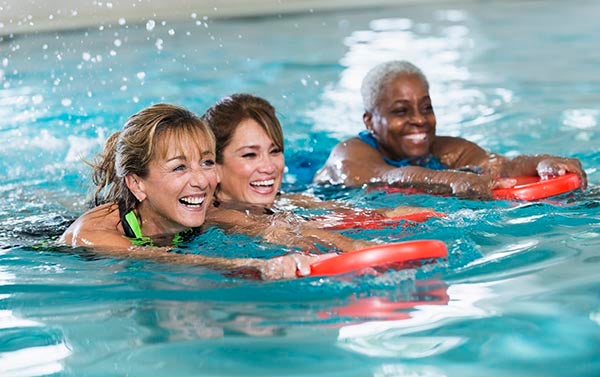 For individuals who struggle with mobility due to arthritic knees and hips, outdoor fitness activities like walking, running and cycling can be especially taxing in the scorching temperatures of summer. Luckily, there’s a way to simultaneously enjoy a pain-free workout and stay cool—head to the pool!
Often underestimated for their cardiovascular benefits, pool workouts get the heart pumping without putting unnecessary strain on the joints. James Scott, DO, an orthopedic surgeon at Trinity Health Mid-Atlantic Medical Group’s Orthopedics Langhorne, often recommends water-based fitness for his patients who are in their mid-50s and up with joint pain.
“Going for a walk or bicycle ride can be very uncomfortable and painful. Being able to get into a pool can open up a lot of doors, allowing these folks to get their regular exercise several days a week,” says Dr. Scott. “It helps keep the legs, back and core strong, which makes their daily activities a little bit easier.”
No matter your age or skill level, there’s a pool workout to suit a wide variety of needs and abilities:
- Aerobics
- Walking back and forth in shallow water (3 to 4 feet)
- Paddling on a kickboard
- Swimming laps if you’re an experienced swimmer
“These are all things that, even if you just do them for 15 to 20 minutes, can be a fairly strenuous cardiovascular workout,” says Dr. Scott.
Due to their low impact nature, there’s a common misconception that pool workouts are “easy” and don’t count toward a proper fitness regime. However, the resistance of water—which is approximately 800 times denser than air—burns calories and strength trains, all while providing that “weightless” feeling that’s ideal for those with sore joints and more.
In addition to arthritic knees and hips, pool workouts can benefit the following conditions:
- Arthritis in the lower back and ankles
- Recovery from injuries or surgery
- Neuromuscular disorders
- Spinal cord injury
- Paraplegia
- Obesity
“Doing things on land may be impractical for these individuals, but there’s a great deal of freedom that comes in the water,” says Dr. Scott.
For anyone who may be starting a pool workout regime, it’s important to ease into it and not risk injury or overexertion. Here are a few important precautions to keep in mind:
- Set a modest goal in the beginning of 10 to 15 minutes, allowing your body to acclimate
- Begin with some light aerobics or walking in the shallow end, staying close to the edge
- Stay hydrated and have snacks on hand
- Listen to your body—if you feel fatigued or overheated, take a break
- Don’t go swimming alone – ensure a loved one, lifeguard or instructor is close by
- Research adult swimming classes and pools with accessibility features
“If you’re starting something new, you don’t necessarily know how it’s going to impact you and how you’re going to react. This is especially true for older individuals, who may have additional medical conditions. You want to put yourself in the safest possible environment,” says Dr. Scott.
Staying active doesn’t have to mean pushing through the pain. Whether you’re looking to give your joints a break or increase mobility, pool workouts offer a safe, effective way to improve wellness while reducing stress on the body. With the right precautions and a gradual approach, the water can help people of all ages and abilities build strength and stay active year-round.
“Utilize swimming as a form of fitness and relaxation. It’s something that a lot of folks don’t necessarily think about right away when trying to exercise,” says Dr. Scott. “It can really be a great means of helping people get moving.”